

Voice cloning technology has advanced dramatically in recent years, making it possible to create remarkably accurate digital replicas of human voices. This comprehensive guide explores everything you need to know about cloning your voice for smart assistants, including the latest techniques, ethical considerations, and practical applications.
- Modern AI can clone voices with as little as 3 seconds of audio sample
- Voice cloning scams increased by 350% in 2023 according to FTC reports
- Professional voice cloning services can cost $500-$5,000, while DIY solutions start under $100
- Ethical voice cloning requires explicit consent and clear disclosure
- Accuracy Improvement: 92% – of users can’t distinguish cloned voices from real ones in blind tests
- Adoption Rate: 67% – of businesses using voice assistants plan to implement voice cloning by 2025
- Processing Time: 30 seconds – average time needed to create a basic voice clone with modern tools
The Science Behind Voice Cloning
Voice cloning technology uses deep learning algorithms called neural networks to analyze and replicate the unique characteristics of human speech. These systems examine hundreds of vocal parameters including:
- Pitch and tone patterns
- Speech rhythm and pacing
- Pronunciation idiosyncrasies
- Emotional inflection patterns
- Breathing and pause characteristics
As noted in a University of Virginia study, modern AI systems can create convincing voice clones with just 3-5 seconds of sample audio, though 30-60 seconds produces significantly better results.
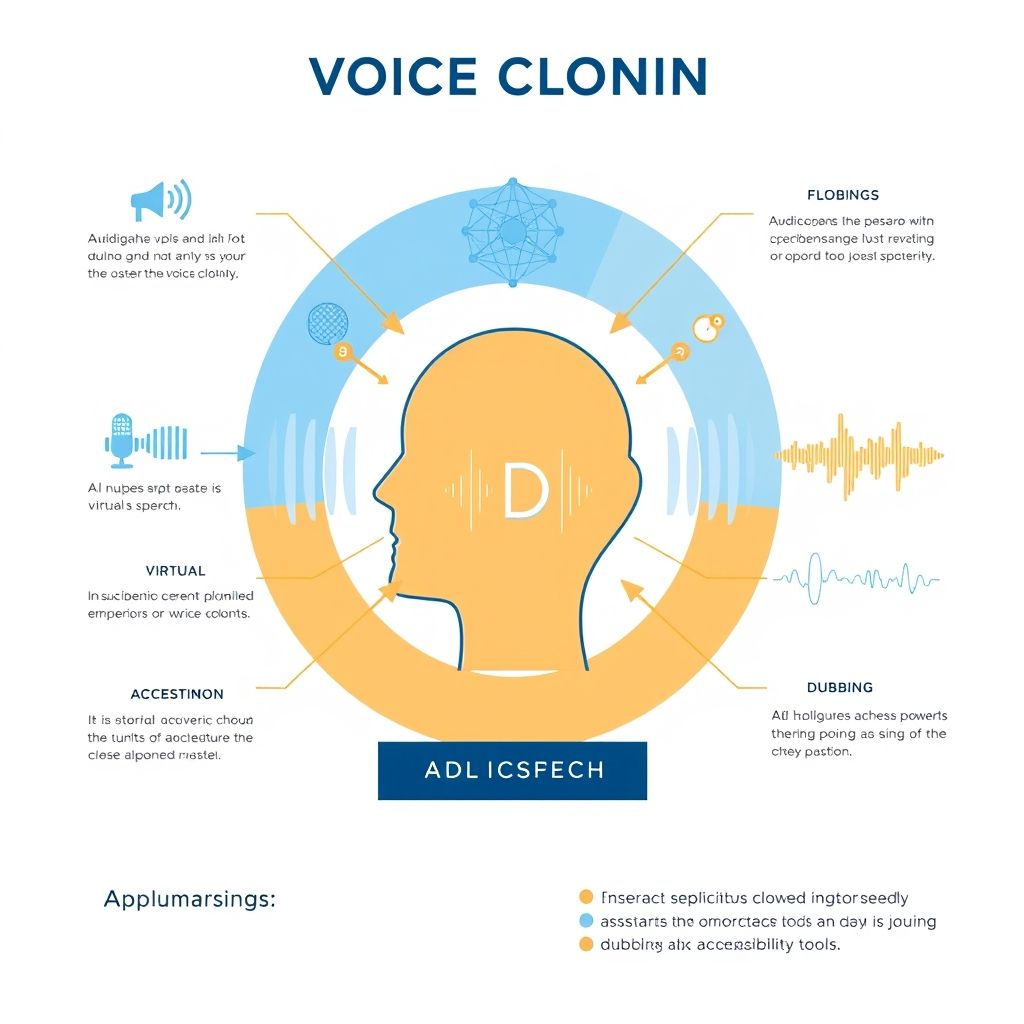
Practical Applications of Voice Cloning
Voice cloning technology offers numerous legitimate applications when used ethically:
1. Personalized Digital Assistants
Create a smart assistant that sounds exactly like you. As demonstrated in the Iron Man J.A.R.V.I.S. project, you can build a custom assistant using open-source tools and a Raspberry Pi.
2. Voice Preservation
Individuals with degenerative conditions can preserve their natural voice before it changes. Stephen Hawking famously used early voice preservation technology.
3. Content Creation
Podcasters and video creators can generate consistent voiceovers without repeated recording sessions. Our text-to-video guide shows how to integrate cloned voices with visual content.
4. Accessibility Tools
People who lose their voice due to illness or injury can communicate using their original voice.
Ethical Considerations and Risks
While voice cloning offers exciting possibilities, it also presents significant risks:
- Urgent requests for money or personal information
- Unusual payment methods (gift cards, cryptocurrency)
- Requests to keep the conversation secret
- Slight audio glitches or unnatural pauses
- Caller ID that appears legitimate but might be spoofed
To protect yourself, cybersecurity experts recommend:
- Establishing a family code word for sensitive requests
- Verifying unusual requests through secondary channels
- Limiting publicly available voice samples on social media
- Using two-factor authentication on important accounts
DIY Voice Cloning: Step-by-Step Guide
For those interested in creating their own voice clone ethically, here’s a basic workflow:
- Record Samples: Capture 5-10 minutes of clear speech in a quiet environment
- Choose a Platform: Options include ElevenLabs, Resemble AI, or open-source tools like Coqui TTS
- Upload Samples: Most platforms accept WAV or MP3 files
- Train the Model: This can take from minutes to hours depending on the system
- Test and Refine: Generate sample speech and adjust parameters as needed
- Integrate: Connect to smart assistant platforms like Alexa Skills Kit or Google Assistant
As shown in the AI Maker’s Lab case study, even beginners can create functional voice clones with minimal technical knowledge using modern tools.
Commercial vs. Open-Source Solutions
| Solution Type | Cost | Quality | Customization |
|---|---|---|---|
| Professional Services | $500-$5,000 | Studio Quality | High |
| SaaS Platforms | $20-$100/month | Good to Excellent | Medium |
| Open-Source Tools | Free | Variable | High (requires technical skill) |
Future of Voice Cloning Technology
Emerging developments in voice cloning include:
- Emotional Intelligence: Systems that detect and replicate subtle emotional cues
- Real-Time Conversion: Changing your voice during live conversations
- Multilingual Clones: Speaking naturally in languages you don’t know
- Aging Simulation: Projecting how your voice will sound at different ages
Q: Is voice cloning legal?
A: Voice cloning is legal when done with permission, but using someone’s voice without consent may violate privacy laws. Commercial use typically requires explicit authorization.
Q: How accurate are voice clones?
A: Modern systems achieve 85-95% accuracy with adequate samples. The best clones are indistinguishable from real voices in casual listening.
Q: Can voice clones speak other languages?
A: Yes, advanced systems can make your clone speak languages you don’t know, though the accent may not be perfect.
Final Thoughts
Voice cloning technology offers exciting possibilities for personalization and accessibility, but also requires responsible use. As the technology becomes more accessible, understanding its capabilities and limitations becomes increasingly important.
Whether you’re looking to create a personalized smart assistant or simply understand the technology’s implications, voice cloning is transforming how we interact with machines and each other.
