

In an era where AI can perfectly replicate human voices, understanding whether voice clone software can detect deepfake audio has become crucial for personal and business security. This comprehensive guide examines the current capabilities, limitations, and best practices for detecting AI-generated voice scams.
- Voice cloning technology can create convincing fake audio with just seconds of sample voice
- Current detection methods achieve 90-99% accuracy but still have limitations
- Multi-factor authentication is essential for verifying voice communications
- Emerging solutions combine AI detection with behavioral analysis
- Attack Prevalence: 1 in 4 people have experienced or know someone who experienced a voice cloning attack
- Financial Loss: 77% of victims lose money in voice cloning scams
- Detection Accuracy: Top solutions like DeepID claim 99.5% accuracy across 50 languages
- Human Detection: Studies show humans correctly identify AI voices only 50-73% of the time
Understanding Voice Cloning Technology
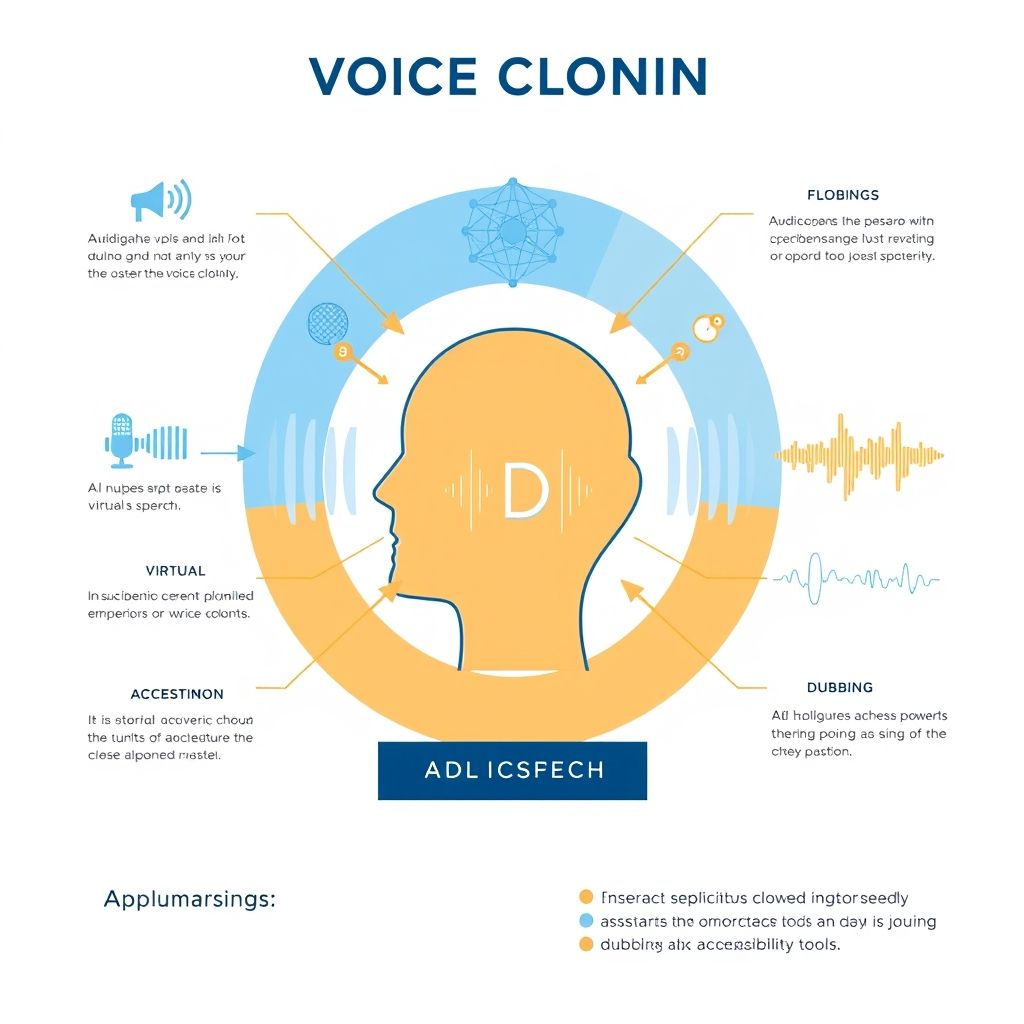
Voice cloning uses deep learning algorithms to analyze and replicate human speech patterns, intonations, and vocal characteristics. Modern systems like Google’s Tacotron, WaveNet, and ElevenLabs can create convincing voice clones from just a few seconds of sample audio, though longer samples yield more accurate results.
These AI models don’t just imitate voices – they replicate the subtle nuances that make each voice unique, including:
- Breathing patterns and pauses
- Emotional inflections
- Regional accents and speech quirks
- Mouth and throat acoustics
How Cybercriminals Use Voice Cloning
Fraudsters have weaponized voice cloning technology in increasingly sophisticated attacks:
1. Multi-Channel Social Engineering
Scammers combine voice cloning with other tactics like email and SMS to build trust. For example, they might call a victim using a cloned voice, then follow up with a “confirming” email that appears legitimate.
2. Financial Fraud
In 2023, a journalist demonstrated how cloned voice biometrics could bypass bank security systems. Real-world cases include a $35 million heist where fraudsters cloned a company director’s voice to authorize fraudulent transfers.
3. Political Disinformation
The 2024 fake Joe Biden robocall incident showed how cloned voices could potentially influence elections. With elections occurring in 77 countries representing half the world’s population, the stakes are high.
4. Voice Cloning-as-a-Service (VCaaS)
The dark web now offers subscription-based voice cloning services, lowering the barrier to entry for would-be scammers. These services often use platforms like ElevenLabs to power their offerings.
Current Detection Methods and Their Effectiveness
Several approaches exist for detecting voice deepfakes, each with strengths and limitations:
- AI-Powered Analysis: Machine learning models trained on millions of real and fake samples (e.g., DeepMedia’s DeepID with 99.5% accuracy)
- Biometric Authentication: Veridas’ Voice Shield analyzes voice patterns in real-time without requiring user registration
- Behavioral Analysis: Detecting unnatural speech patterns or conversation flow
- Metadata Examination: Analyzing digital artifacts and recording characteristics
According to research published in Nature, humans correctly identify AI-generated voices only about 50-73% of the time, highlighting the need for technological solutions.
Limitations of Current Detection Technology
While promising, voice clone detection isn’t foolproof:
- NPR testing found detection tools misidentified real voices as AI 20-50% of the time
- Detection becomes harder as generation technology improves
- Most solutions work best with clear, high-quality audio samples
- Real-time detection during live calls remains challenging
Best Practices for Protection
Combining technology with human vigilance offers the best defense:
For Individuals:
- Establish code words with family members for emergency verification
- Be skeptical of urgent requests for money or information
- Verify unexpected calls by calling back on known numbers
For Businesses:
- Implement multi-factor authentication for financial transactions
- Train employees to recognize social engineering tactics
- Use enterprise-grade voice authentication solutions
- Create verification protocols for sensitive requests

The Future of Voice Clone Detection
Emerging solutions aim to stay ahead of advancing voice cloning technology:
- The Pentagon is developing machine learning algorithms to detect synthetic voices across all major languages
- Companies like Veridas report a 325% increase in voice biometric adoption
- New standards are being developed for audio content authentication
- Blockchain-based voice verification systems are in development
Q: Can voice clone software reliably detect deepfake audio?
A: Current detection solutions achieve 90-99% accuracy in lab conditions, but real-world performance varies. The best approach combines AI detection with human verification and multi-factor authentication.
Q: How much audio is needed to create a convincing voice clone?
A: While early systems required hours of audio, modern AI can create convincing clones from just 3-10 seconds of clear speech, with better quality from longer samples.
Q: What industries are most at risk from voice cloning scams?
A: Financial institutions, government agencies, and corporations with complex approval hierarchies are prime targets. However, individual social engineering attacks are increasingly common.
Final Thoughts
While voice clone detection technology continues to improve, it’s not a silver bullet. The most effective defense combines technological solutions with security awareness and verification protocols. As voice cloning becomes more accessible through services like ElevenLabs, both individuals and organizations must stay vigilant.
For more information about protecting against AI-powered threats, visit our AI security resource center covering the latest detection methods and security best practices.
