

Discover how AI voice cloning technology is revolutionizing content creation, accessibility, and personal expression across industries.
- Modern voice cloning can replicate human speech with 95%+ accuracy
- Most tools require just 20-60 seconds of sample audio for basic cloning
- Professional-grade clones need 30+ minutes of high-quality recordings
- Leading solutions support 40+ languages and numerous accents
- Market Growth: $2.6 billion – Projected voice cloning market size by 2027
- Accuracy Rate: 92% – Of listeners can’t distinguish cloned voices from real ones
- Adoption Rate: 63% – Of audiobook producers now use voice cloning
- Time Savings: 80% – Reduction in voiceover production time
Understanding Voice Cloning Technology
Voice cloning uses advanced artificial intelligence to analyze and replicate the unique characteristics of a human voice. This technology captures not just the basic tone, but also the subtle nuances that make each voice distinctive – including pitch variations, speech patterns, breathing rhythms, and emotional inflections.
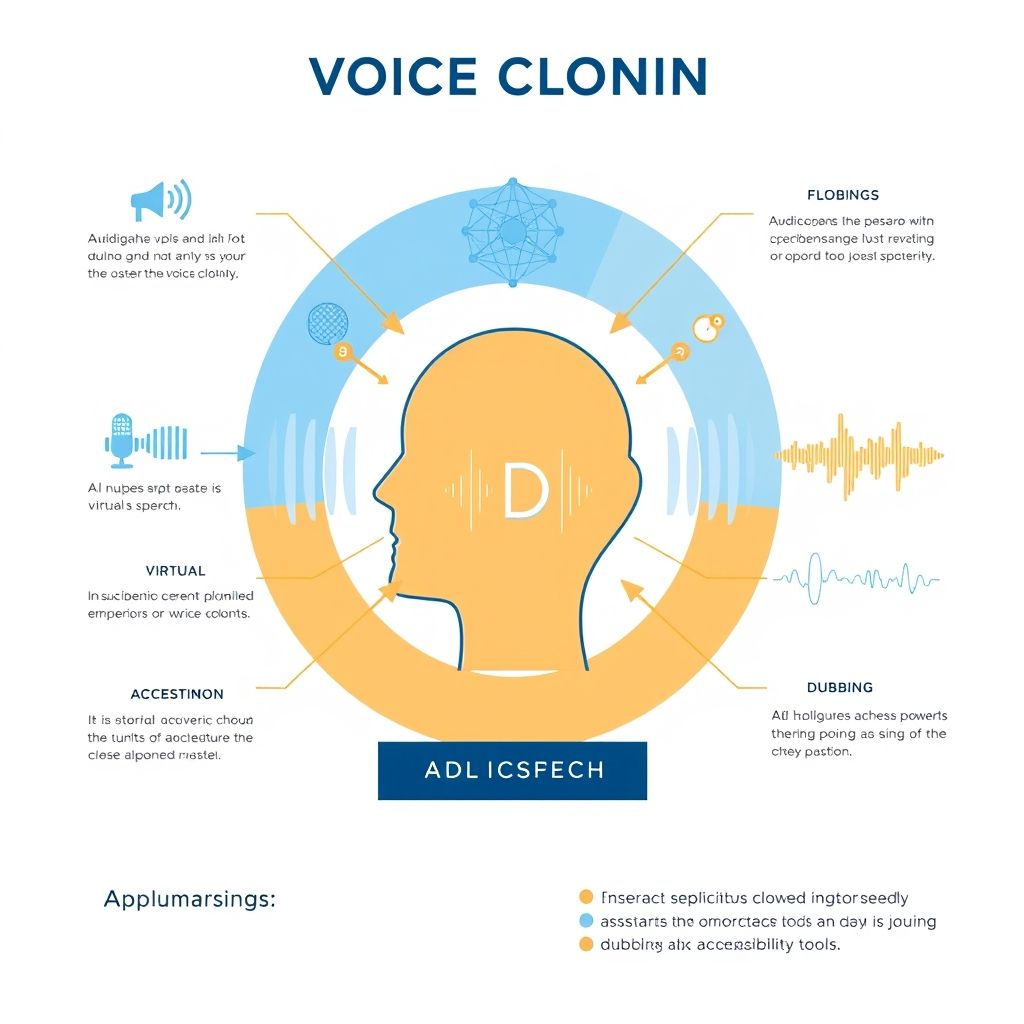
How Voice Cloning Works: The Technical Process
The voice cloning process typically involves three key stages:
- Voice Sampling: The system analyzes 20 seconds to several minutes of audio recordings to create a voiceprint
- Model Training: Machine learning algorithms process the voice characteristics to create a digital voice model
- Synthesis: The trained model generates new speech based on text input while maintaining the original voice qualities
Top Use Cases for Voice Cloning
- Content Creation: Generate audiobooks, podcasts, and video narrations without repeated recording sessions
- Accessibility: Create synthetic voices for those who have lost or may lose their ability to speak
- Education: Develop multilingual learning materials with consistent voice quality
- Business Communications: Automate customer service, training materials, and corporate announcements
- Entertainment: Revive historical figures’ voices or create consistent character voices across media
Comparing Leading Voice Cloning Platforms
When evaluating voice cloning solutions, consider these key factors:
| Feature | Speechify | ElevenLabs | PlayHT |
|---|---|---|---|
| Minimum Sample Required | 20 seconds | 1 minute (30 min recommended) | 30 seconds |
| Languages Supported | 20+ | 32 | 40+ |
| Processing Time | Seconds | 2-4 hours (professional) | Minutes |
| Emotional Range | Basic | Advanced | Moderate |
Step-by-Step Guide to Creating Your First Voice Clone
- Choose Your Platform: Select a service that matches your needs (quality, languages, pricing)
- Prepare Your Audio: Record in a quiet environment with a quality microphone (minimum 16-bit, 44.1kHz)
- Upload Samples: Provide 30+ seconds of clear speech (longer for professional results)
- Train Your Model: Let the AI process your voice characteristics (time varies by service)
- Test and Refine: Generate sample audio and adjust parameters as needed
- Implement: Use your cloned voice for your intended applications
Ethical Considerations and Best Practices
As voice cloning technology becomes more accessible, it’s crucial to follow ethical guidelines:
- Always obtain explicit permission before cloning someone’s voice
- Clearly disclose when synthetic voices are being used
- Implement security measures to prevent unauthorized use of voice models
- Respect copyright and intellectual property rights
- Be transparent about the limitations of cloned voices
According to Speechify’s voice cloning guidelines, responsible use includes implementing strict safeguards to prevent misuse while preserving the benefits of this transformative technology.
Future Trends in Voice Cloning
The voice cloning industry is rapidly evolving with several exciting developments:
- Real-time Cloning: Instant voice replication during live conversations
- Emotional Intelligence: AI that can apply appropriate emotional tones contextually
- Cross-language Cloning: Maintaining voice characteristics when speaking different languages
- Health Applications: Restoring voices for those with speech impairments
- Improved Security: Advanced voice authentication to combat deepfakes
Frequently Asked Questions
Q: How accurate are modern voice cloning technologies?
A: Current voice cloning solutions can achieve 90-95% similarity to the original voice, with the best systems being virtually indistinguishable in casual listening. However, professional voice actors can often detect subtle differences in breath control and emotional range.
Q: What’s the difference between instant and professional voice cloning?
A: Instant cloning (20-60 seconds of audio) provides basic voice replication suitable for short content. Professional cloning (30+ minutes of high-quality recordings) captures nuanced speech patterns and emotional ranges for demanding applications like audiobooks or films.
Q: Can I clone voices in multiple languages?
A: Yes, leading platforms like ElevenLabs support multilingual cloning, allowing your voice model to speak in dozens of languages while maintaining your vocal characteristics.
Q: How long does a voice clone last?
A: Voice models don’t expire and can be used indefinitely. However, as technology improves, you may want to retrain your model with new samples for better quality.
Getting Started with Voice Cloning
Ready to explore voice cloning for your projects? Our free AI tools directory includes several options to begin your voice cloning journey with minimal investment.